
Follow my Three C’s of Decorating
Color – Choose 3 main colors for a room. MAKE SURE one is black, navy, gray, white, or

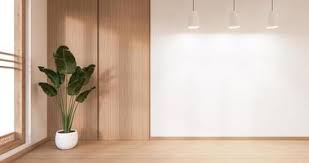
Color – Choose 3 main colors for a room. MAKE SURE one is black, navy, gray, white, or
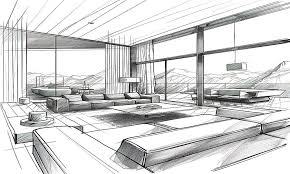
Determine which room is where you spend the most time. Choose the mood you wish to create in the space. Light, cheerful, comfortable, and informal? Visit Pinterest! It is a fantastic source of ideas. Mark the room you are working in on the board you are creating. Choose a spending limit. What ought one to purchase? Is there anything you can repurpose or reuse? Throw out everything you do not love! You do not love anything if it takes you longer than three seconds to make up your mind. Consign it or donate it. Selecting a paint color will change the room. Purchase samples first because choosing paint might be intimidating.
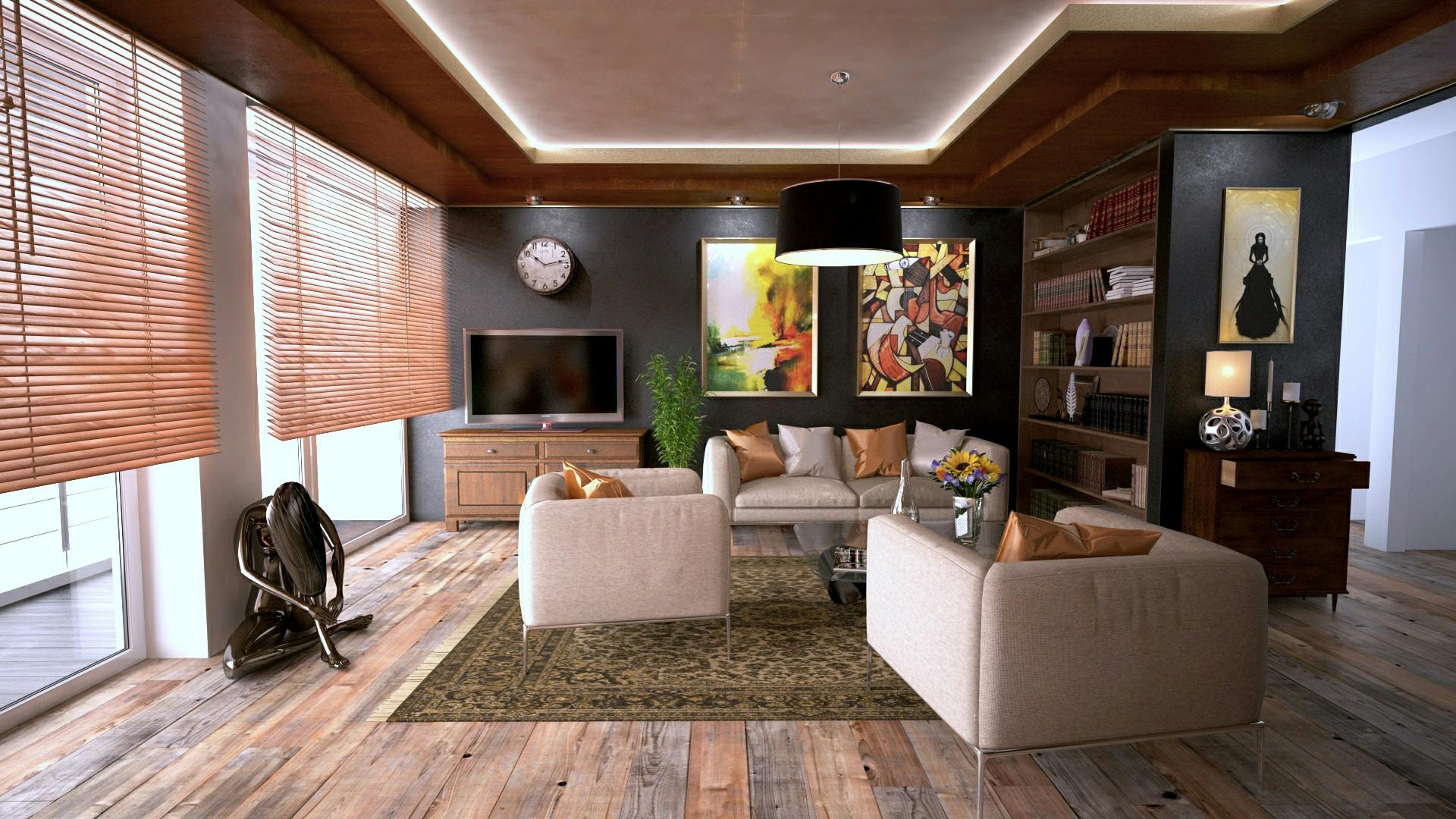
A room gains depth and interest from texture. When we see a room that uses smooths, roughs, shines, and dulls—but not excessively—it appeals to our tactile and visual senses. Use a rug, a piece of wall art, a scatter cushion on the couch, or a unique coffee table to add some texture.
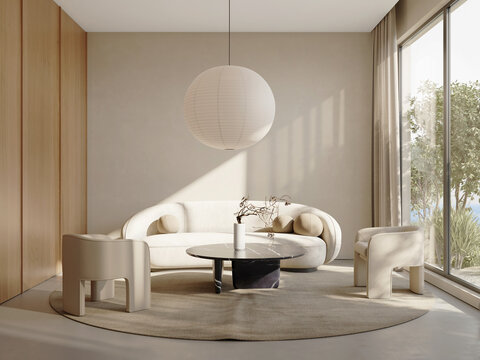
You should already be aware that lighting will come up while discussing small home interior
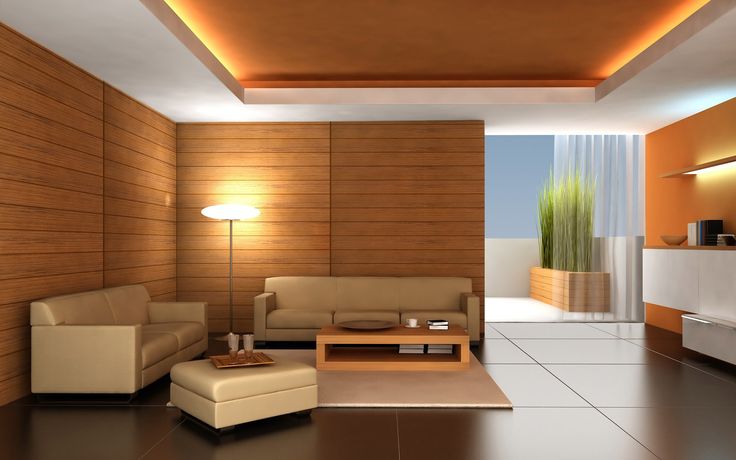
Passing through tiny areas can highlight a color in a dramatic way. Painting your pantry or hallway in a dark tone is one thing, but using dramatic colors may make a space appear gloomy and weighty. Because it transforms a little room you might not notice into a visually arresting location that draws your attention, using bold colors in small spaces gives the impression that the entire house is larger and more colorful.
You do not have to paint every room a different color because you want your house to feel cohesive. To make things much easier for yourself, pick three primary colors to use throughout your home. Then, for a new design that is consistent, use different shades of those primary colors (for instance, Arctic blue is very different from cobalt blue).
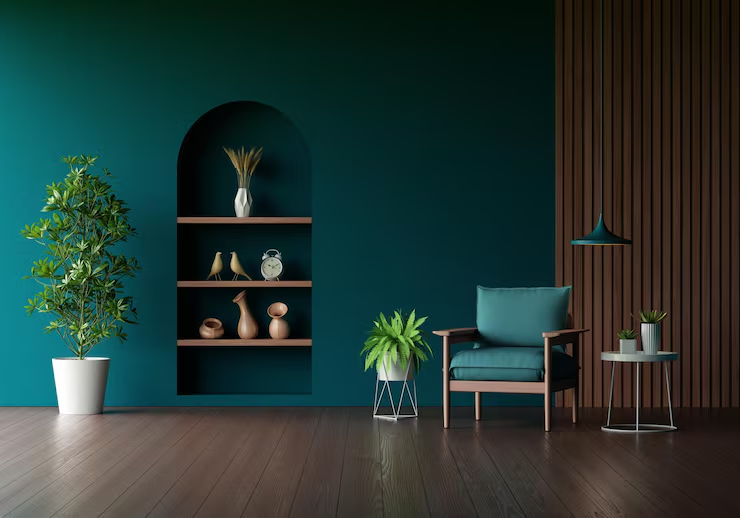
There are times when interior design advice is just plain weird, such as when it
Placing furniture is not like playing Tetris. To create the illusion of a much more
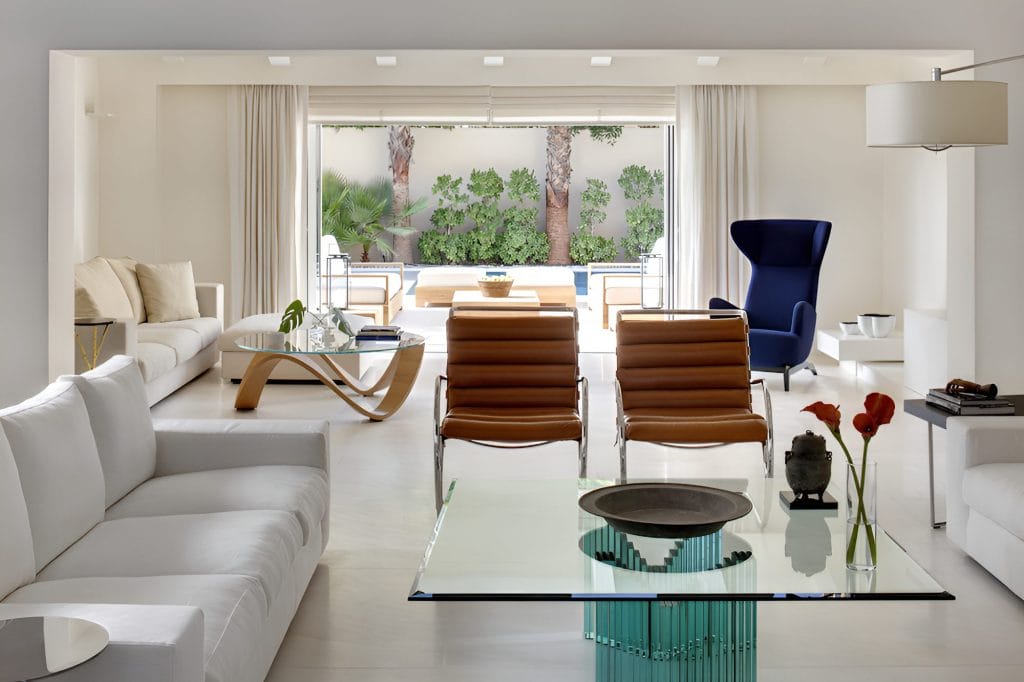
Have you ever pondered why some rooms instantly make you want to remain while others